Modern Fantasy Worlds
Cthulhu Mythos
“The Cthulhu Mythos is a modern fantasy system founded on the work of H. P. Lovecraft and later organized and expanded by August Derleth and other successors, centered on cosmic horror, forbidden knowledge, the Great Old Ones, and nameless ancient powers.”
The Cthulhu Mythos is a modern fantasy system that began in the early twentieth century, founded on the work of the American writer H. P. Lovecraft and jointly built by many contemporary and later authors, including Clark Ashton Smith, Robert E. Howard, Frank Belknap Long, and August Derleth. It is both a subgenre of horror fiction and a distinctive worldview: it treats the entire universe as a cold stage far beyond human comprehension, and portrays deities and supernatural beings as nameless ancient powers.
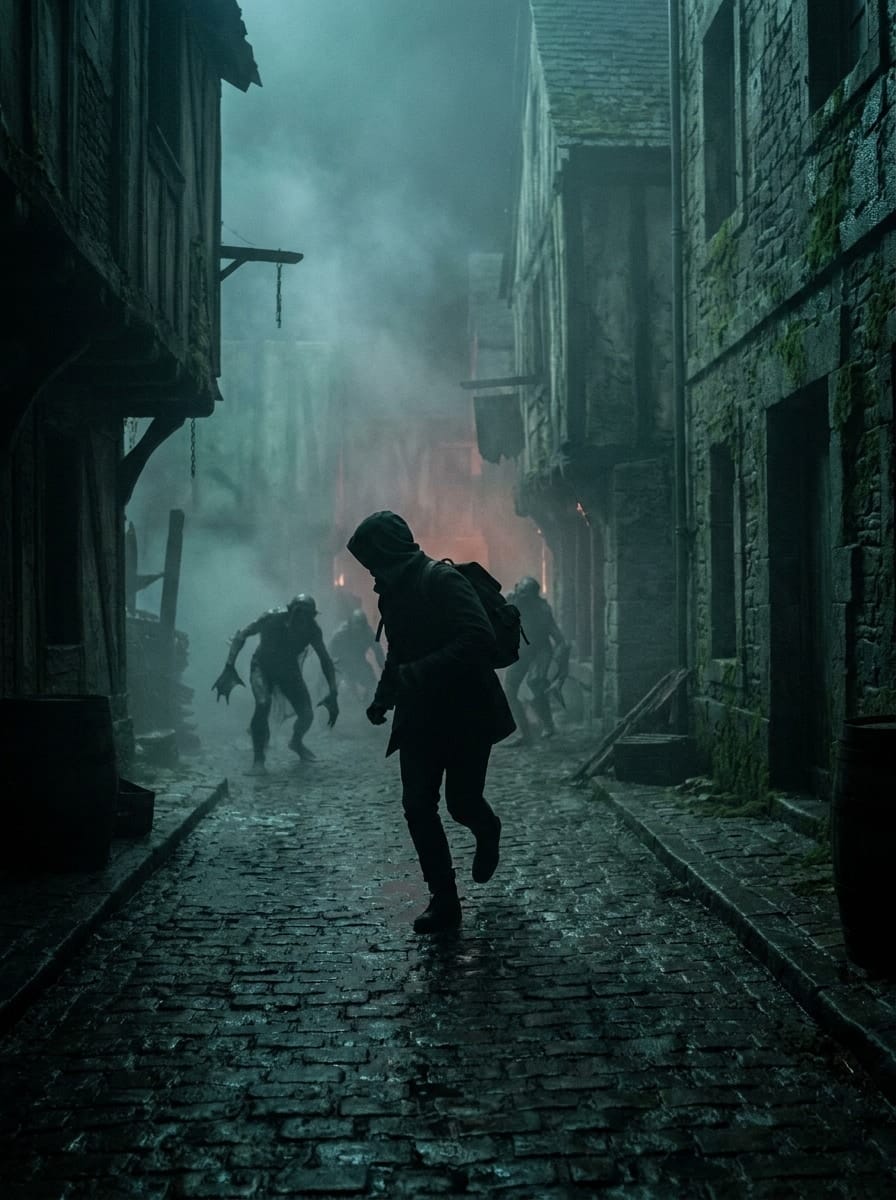
The central idea of the Cthulhu Mythos is known as cosmic horror. In this view, humanity is no longer the center or purpose of the universe, but a negligible and fleeting accident. True fear does not come from ghosts or demons, but from truth itself: once someone glimpses the real structure of the cosmos and the true nature of ancient beings, ordinary reason, faith, and civilizational narratives collapse. This motif of knowledge as catastrophe is what most clearly separates the Cthulhu Mythos from conventional horror and mythic storytelling.
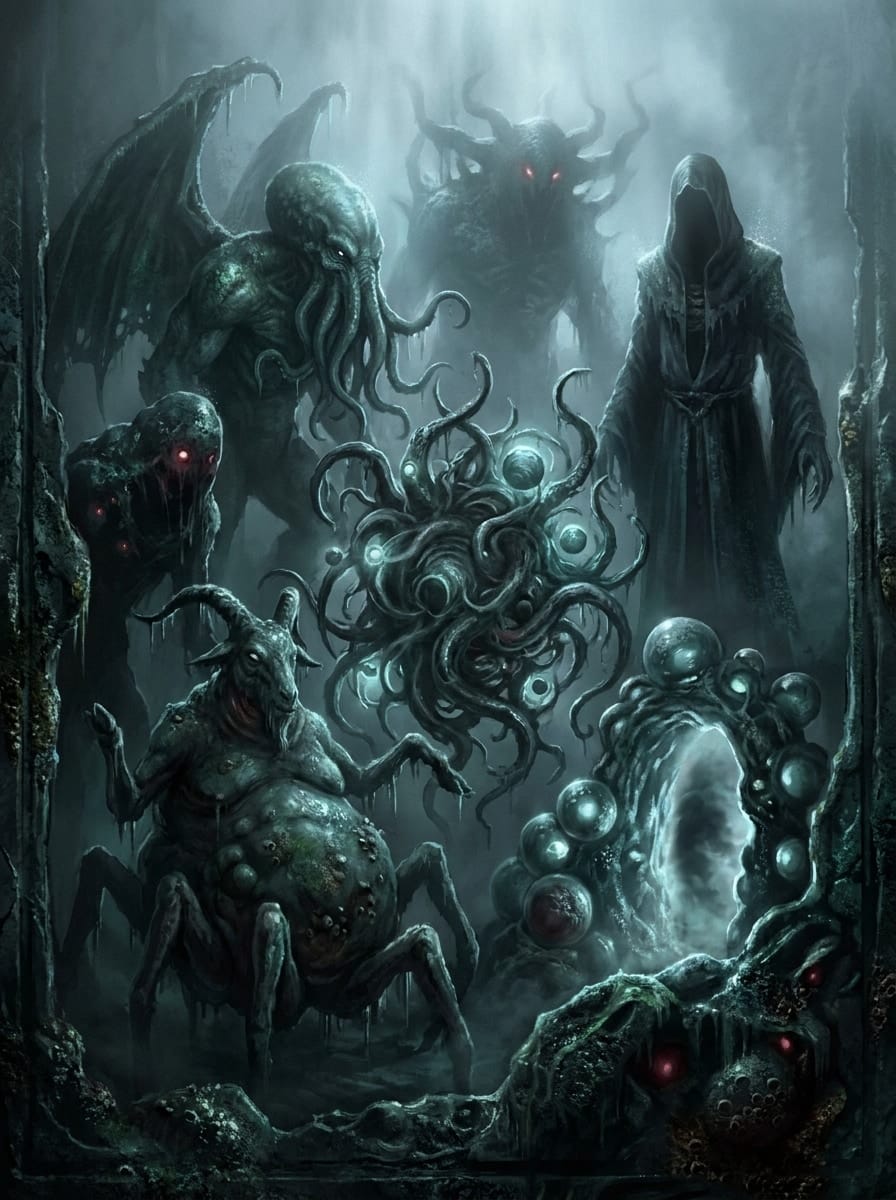
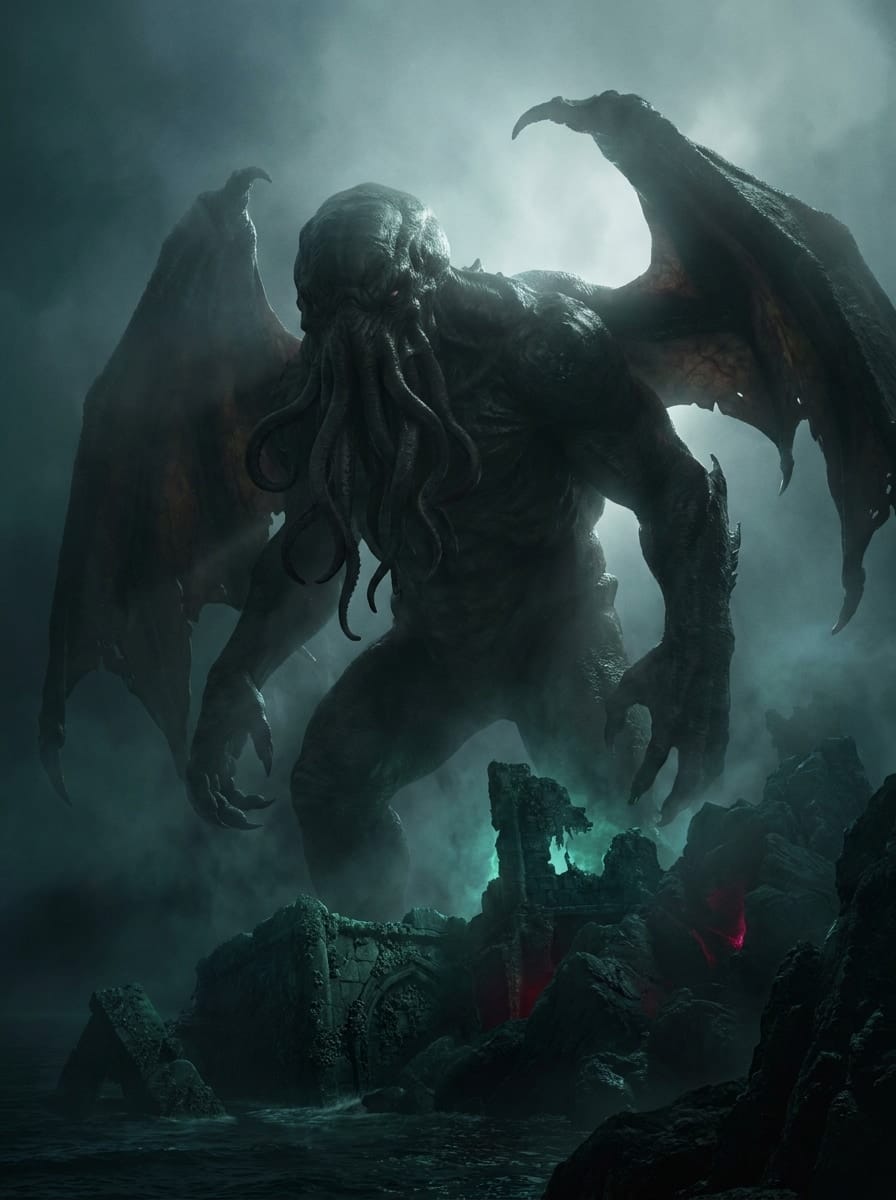
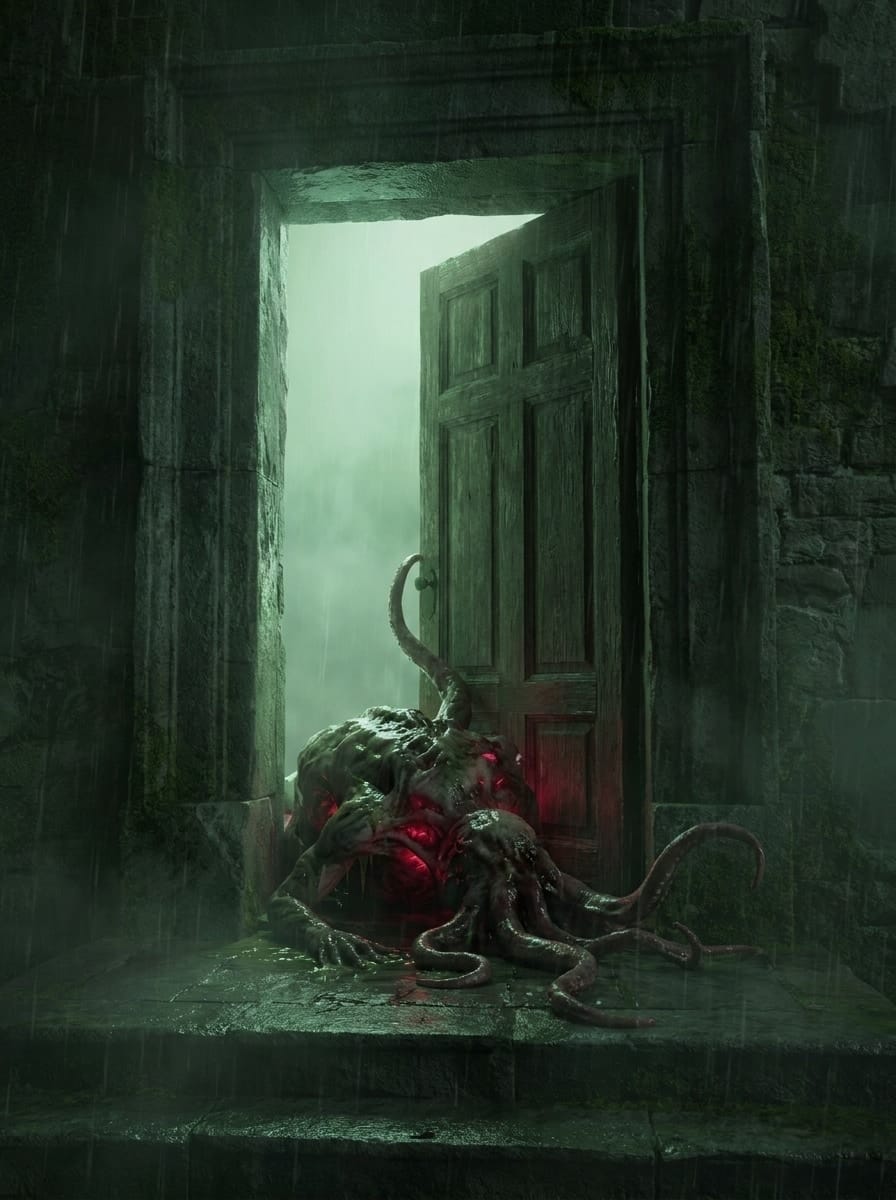
The supernatural beings within the system can be divided into several broad groups. The Great Old Ones are represented by Cthulhu, who sleeps beneath the sea at R'lyeh, Hastur beside the Lake of Hali, and Dagon, lord of the Deep Ones; they are said to have ruled Earth in remote antiquity and are now bound by stars and seals. The Outer Gods dwell at the center of the cosmos or beyond dimension, including the blind idiot god Azathoth, Yog-Sothoth as the key to all things, the thousand-faced walker Nyarlathotep, and the Black Goat Mother Shub-Niggurath. Ancient races such as the Mi-Go, the Great Race of Yith, and the Deep Ones represent nonhuman civilizations that once visited or inhabited Earth. Rivalry, pacts, and hidden cooperation often exist among these powers.
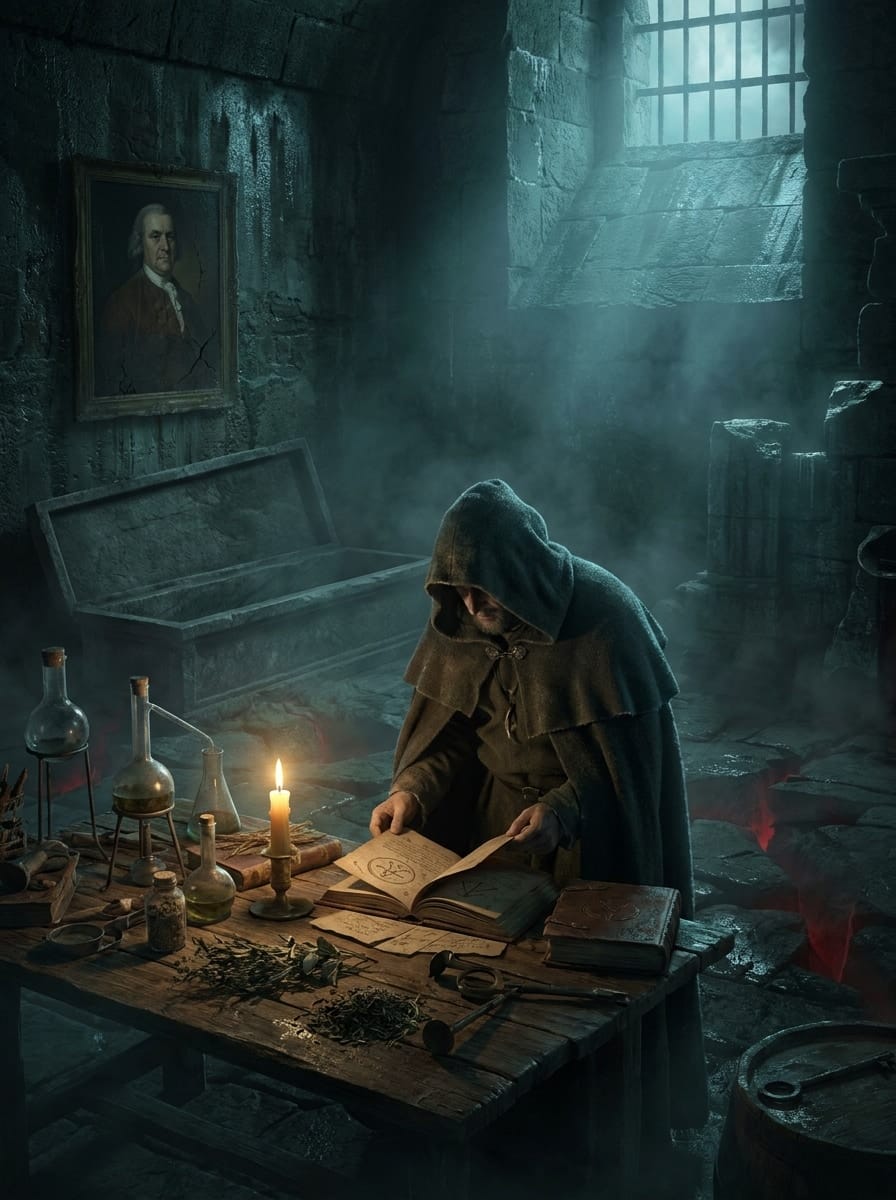
Forbidden books are an indispensable engine of Cthulhu Mythos stories. Foremost among them is the Necronomicon, attributed to Abdul Alhazred and surviving in Greek, Latin, English, and other fragmentary versions, where it records spells for summoning the Great Old Ones and the Outer Gods. Other classic texts include the Book of Eibon, the Pnakotic Manuscripts, Nameless Cults, the play The King in Yellow, Cultes des Goules, and the R'lyeh Text. Such books are often treated as objects that corrode the mind: the price of reading them may be madness, transformation, or an even worse fate.
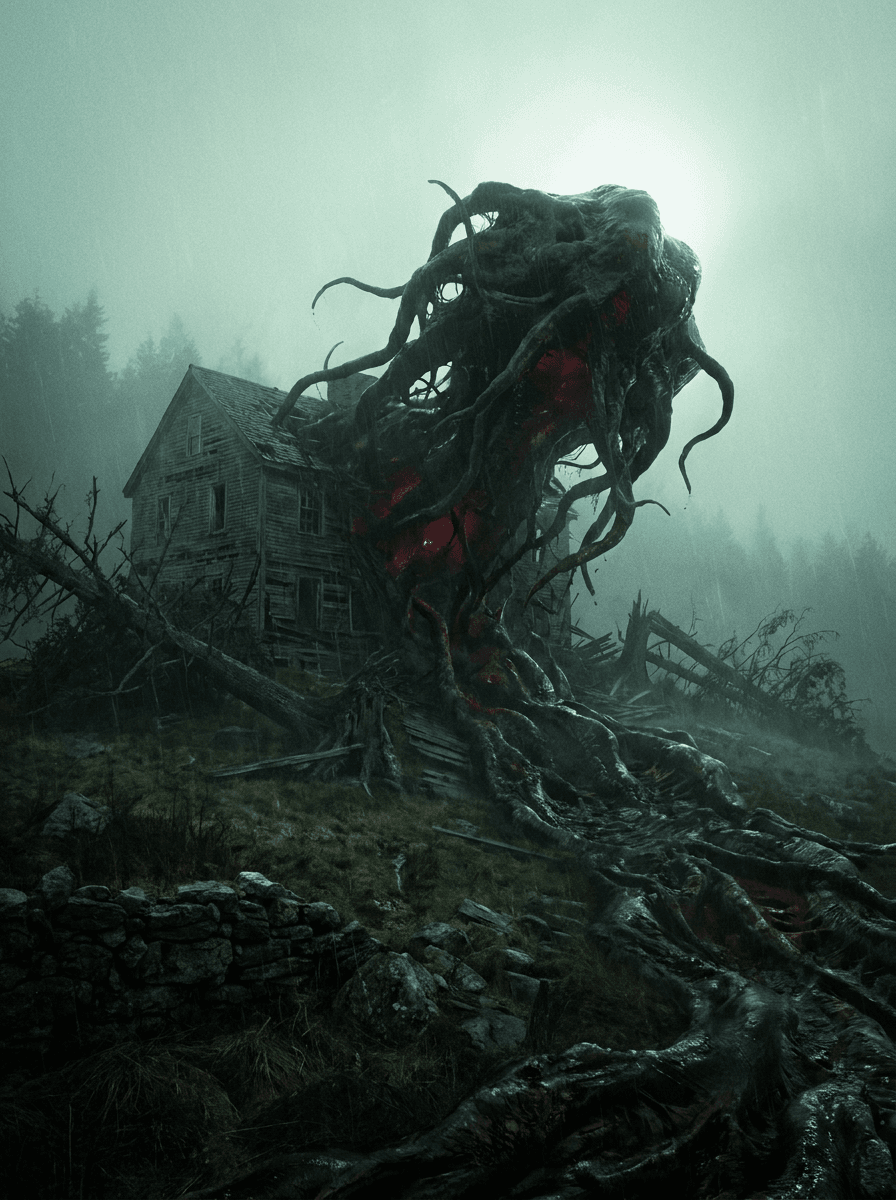
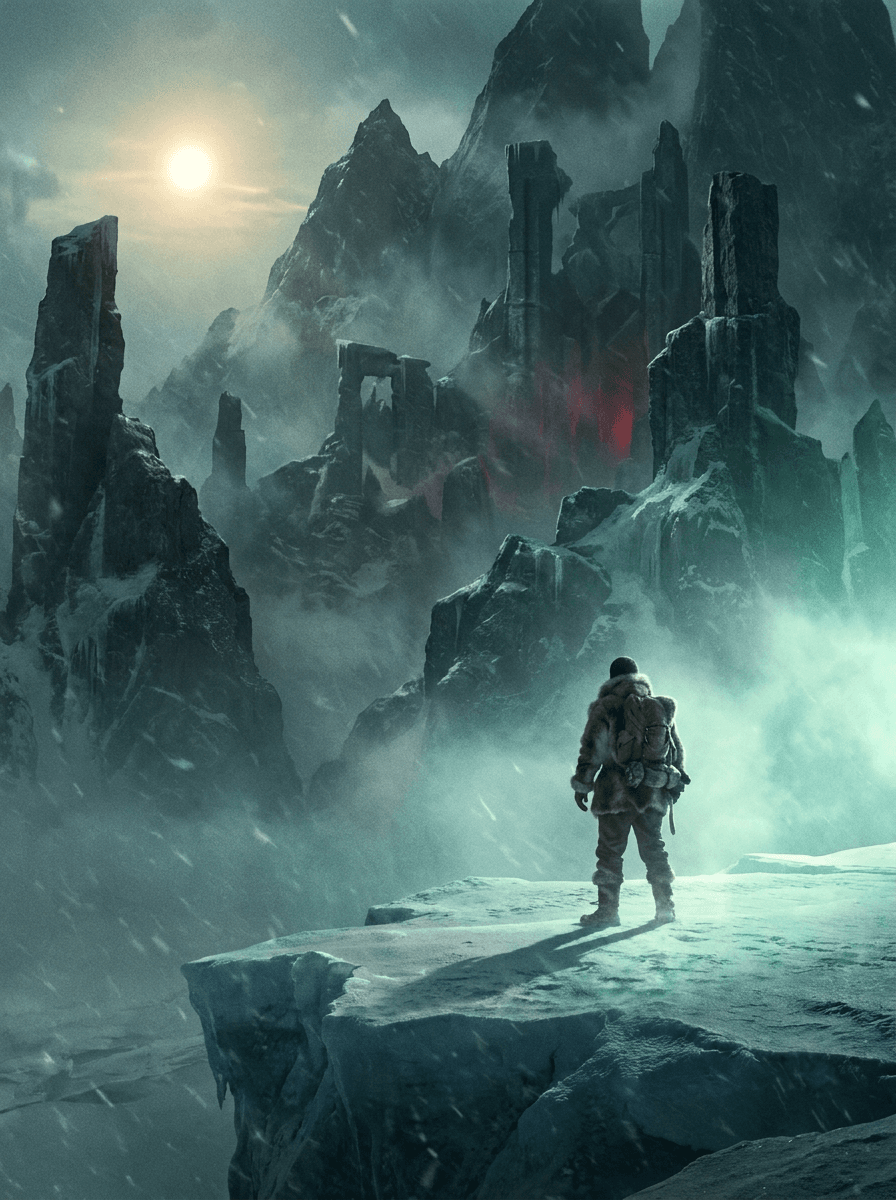
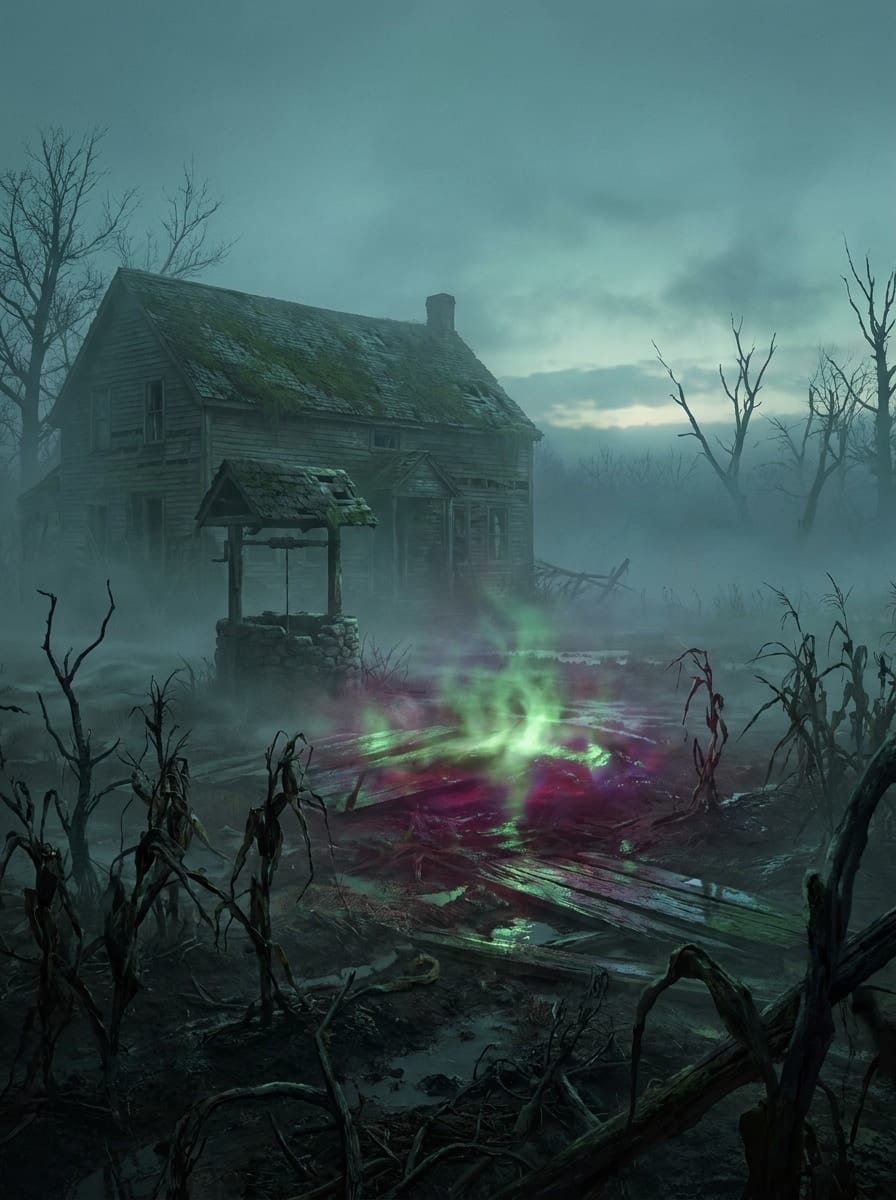
The geography of the Cthulhu Mythos moves between the known world and unknown dimensions. Arkham, Innsmouth, Dunwich, and Kingsport in New England form Lovecraft Country, while Miskatonic University is a center for the study of forbidden knowledge. Far away, R'lyeh lies sunken in the South Pacific, Yuggoth is hidden near the orbit of Pluto, Carcosa is shrouded beneath the twin suns of the King in Yellow, Kadath rises in the far north of the Dreamlands, and the Plateau of Leng is inhabited by nameless presences. These places are both narrative stages and domains belonging to different powers.
The Cthulhu Mythos has long since moved beyond fiction alone. It has profoundly influenced tabletop role-playing games such as Call of Cthulhu, as well as video games, animation, film, music, and countless derivative works. In Mythology Stories, the Cthulhu Mythos is presented as a representative modern fantasy worldview: unlike traditional mythologies that emphasize sacred order and heroic achievement, it stresses humanity's smallness before the vast cosmos, the danger of knowledge, and the solitude, courage, and collapse revealed in the face of the absolute unknown.